
In a world increasingly aware of the limits of our natural resources and the imperative of sustainability, industries across the spectrum face growing scrutiny over their energy and water consumption. Far from being mere bureaucratic burdens, the regulations emerging around energy efficiency and water conservation are acting as powerful market catalysts, reshaping industries and driving demand for innovative technologies. Nowhere is this more evident than in the industrial pump sector, a fundamental yet often overlooked component of countless global processes.
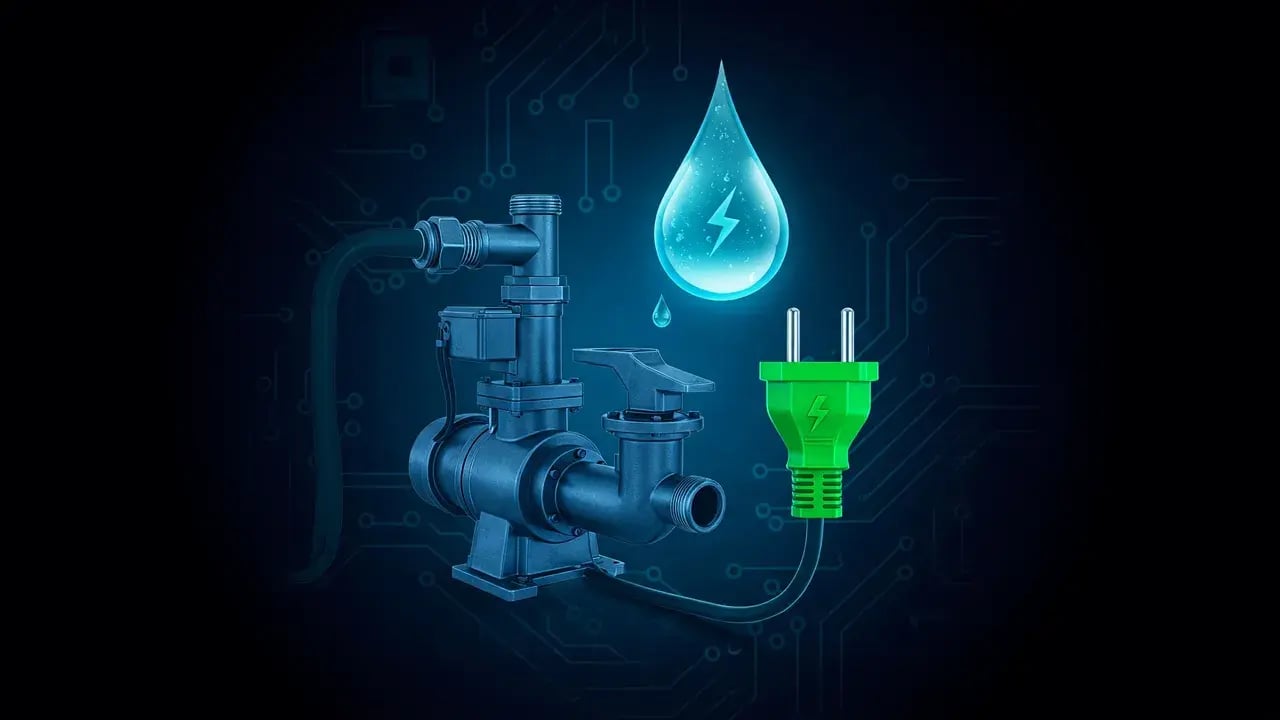
These regulations, spanning jurisdictions like the European Union and North America, are not only setting new benchmarks for performance but are also creating a significant market opportunity for forward-thinking pump manufacturers. For companies and potential investors evaluating the industrial landscape, understanding how these regulatory forces are fueling pump demand is crucial for identifying areas of growth and resilience.
The Energy Efficiency Imperative: Reducing the Consumption of Industrial Workhorses
Industrial pumps are the unsung heroes of modern industry, essential for moving fluids in everything from chemical plants and oil refineries to municipal water systems and mining operations. However, this ubiquity comes with a significant energy cost. It's estimated that pumping systems account for approximately 20% of the world's industrial electrical energy consumption, a staggering figure that underscores the potential for savings through efficiency improvements.
Recognizing this potential, regulatory bodies have placed pump efficiency squarely in their sights. The European Commission's Ecodesign Directive, for example, has implemented increasingly stringent requirements, demanding that electric motors within certain power ranges meet high international efficiency (IE) standards, such as IE3 and, more recently, IE4 for larger motors. Similarly, the U.S. Department of Energy (DOE) has established energy conservation standards for various pump types, including rotodynamic clean water pumps and, more recently, circulator pumps, aiming to phase out less efficient models from the market. Canada has also harmonized many of its standards with the U.S. through regulations under its Energy Efficiency Act.
The impact of these regulations is twofold. First, they compel manufacturers to innovate, investing in research and development to design and produce pumps and motors that meet or exceed these minimum benchmarks. This involves exploring advanced hydraulic designs, utilizing low-friction materials, and optimizing the interaction between the motor and the pump.
Second, they create significant demand from end-users (factories, municipalities, construction firms) to upgrade their existing systems. Older, inefficient pumps, once considered simply an operating cost, are now seen as prime targets for replacement. The shift to higher-efficiency pumps, often equipped with variable frequency drives (VFDs) that adjust motor speed to actual demand, can yield substantial energy savings, sometimes up to 50% or more in certain applications. While the initial cost of these advanced pumps may be higher, the lower energy consumption often leads to attractive payback periods and reduced life-cycle costs.
For investors, this regulatory landscape signals a clear growth trajectory. Companies that have mastered the art of high-efficiency pump engineering, understanding the intricacies of fluid dynamics and motor optimization, are inherently well-positioned. We at Dynapro Pumps, with our stated focus on professional and ethical application engineering and goal of delivering the most reliable pumping systems , and our mission to accelerate the transformation towards sustainable industries by reducing energy consumption in pumping systems, exemplify the type of focus needed to thrive in this environment. Our emphasis at Dynapro Pumps on optimizing systems and offering pumps that exceed industry standards in efficiency aligns directly with the demands created by these energy regulations.
Water Conservation: Growing Pressure on a Finite Resource
Parallel to the push for energy efficiency, there is a growing urgency around water conservation and management. The increasing global population, rapid urbanization, and the impacts of climate change are exerting immense pressure on freshwater supplies. In response, governments and environmental agencies are implementing stricter regulations to control water use, prevent pollution, and promote sustainable practices.
Laws like the Clean Water Act (CWA) and the Safe Drinking Water Act (SDWA) in the U.S. set standards for drinking water quality and regulate the discharge of pollutants into waterways through programs like the National Pollutant Discharge Elimination System (NPDES). States like California have gone further, implementing comprehensive water conservation regulations that establish water use objectives for urban suppliers and mandate efficiency measures for commercial, industrial, and institutional (CII) users. These regulations often include requirements for universal metering, water loss control (leak detection and repair), and tiered pricing structures to discourage excessive use.
Pumps are fundamental to almost every aspect of water management. They are essential in municipal water treatment plants to move water through various purification stages and distribute it to consumers. In wastewater treatment, pumps transport raw sewage, handle sludge, and discharge treated effluent. Industries rely on pumps for process water, cooling, and managing their own wastewater discharges. Agriculture, a massive water consumer, uses pumps extensively for irrigation.
Water conservation and quality regulations drive demand for specific types of pumps and related technologies directly. The need to treat larger volumes of wastewater according to higher standards drives the demand for robust and reliable pumps capable of handling solids and chemicals. The focus on reducing water losses encourages the adoption of smart pumping systems that can help detect leaks in distribution networks. Regulations restricting the use of fresh water for certain industrial applications (such as sealing vacuum pumps in some areas) or encouraging the use of alternative water sources (rainwater, recycled water) create niches for pumps designed for these specific systems. Dewatering pumps, crucial in construction and mining, must also comply with environmental regulations regarding water discharge.
This nexus between water regulation and pump demand presents another significant growth avenue. Manufacturers offering a diverse portfolio, including pumps designed specifically for wastewater treatment, sludge handling, dewatering, and other water management applications, are well-positioned to capitalize. We at Dynapro Pumps, for instance, offer a range of pumps for slurry, process, and dewatering, serving industries like mining and construction where efficient water and slurry management is paramount and often subject to regulatory oversight. Our capacity at Dynapro Pumps to provide reliable solutions in these demanding applications translates well into the broader water management market driven by regulation.
The Convergence: Towards Smart and Sustainable Pumping Solutions
The dual pressures of energy efficiency and water conservation do not operate in isolation; they are converging to drive demand for holistic, intelligent, and sustainable pumping solutions. It's no longer enough for a pump to be simply energy-efficient or suitable for a specific water application. The market increasingly seeks systems that optimize both, often leveraging digital technology.
The integration of Internet of Things (IoT) technology into pumps is a major trend. Smart pumps equipped with sensors can continuously monitor performance, energy consumption, and operating conditions in real-time. These data can be used for:
- Optimizing efficiency: Adjusting pump speed (via VFDs) to precisely match system demand, minimizing energy waste.
- Predictive maintenance: Analyzing performance data to predict potential failures before they occur, allowing for proactive maintenance and reducing costly downtime.
- Water management: Detecting leaks or unusual usage patterns in water distribution systems.
- Regulatory compliance: Providing verifiable data on energy and water consumption for reporting purposes.
This shift towards smart, connected pumping systems aligns perfectly with regulatory goals. They help businesses meet energy efficiency standards and water conservation targets while offering tangible operational benefits like reduced costs, increased reliability, and longer equipment life.
For investors, the emergence of sustainable and intelligent pumping solutions represents the next frontier of growth. Companies that not only manufacture efficient pumps but also invest in the integration of technologies and offer comprehensive system solutions are building a durable competitive advantage. Our commitment at Dynapro Pumps to sustainability, our Pump Systems Academy designed to train users on efficient operation and maintenance, and our development of tools like Optimum Flow for proper equipment selection and troubleshooting, indicate Dynapro Pumps' understanding of this holistic system approach that goes beyond simple hardware.
Market Opportunity and Strategic Positioning
The global industrial pump market is substantial and poised for steady growth, driven significantly by the regulatory tailwinds discussed. Market projections place the value in the tens of billions of dollars globally, with healthy compound annual growth rates (CAGRs) predicted over the next decade. This growth is underpinned by the fundamental need to upgrade aging infrastructure, the continuous industrialization in emerging economies, and the relentless global push towards sustainability.
While regulatory requirements can present challenges, particularly in terms of initial compliance and investment costs, they also create a level playing field where quality, efficiency, and innovation are rewarded. Companies that can consistently demonstrate:
- Regulatory compliance: Offering products that meet or exceed energy efficiency standards and are suitable for regulated water management applications.
- Performance and reliability: Providing durable, high-quality pumps that minimize downtime and maintenance costs, especially in demanding applications.
- Life-cycle efficiency: Demonstrating not just initial energy efficiency, but also long-term value through lower operating costs and extended equipment lifespan.
- Support and expertise: Offering robust application engineering, technical support, and maintenance services to ensure pumping systems are correctly selected, installed, and maintained for optimal efficiency.
are best positioned for long-term success. Dynapro Pumps' reputation, built over 35 years , for reliability, technical expertise, and responsive customer service (as demonstrated by numerous customer testimonials ), along with our ISO 9001 certification and focus on sustainable solutions, aligns us well with these market demands.
Conclusion: Navigating Regulatory Currents Towards Growth
The rising tides of energy and water regulation are not obstacles to be feared, but powerful currents reshaping the industrial pump market. They are creating an unequivocal demand for more efficient, smarter, and more sustainable solutions. For industries reliant on pumps, this signifies an opportunity to reduce operating costs and improve their environmental footprint. For pump manufacturers, it represents a call to innovate and differentiate based on performance, reliability, and environmental stewardship.
Investors observing this sector should recognize that companies successfully navigating these regulatory currents – those investing in efficiency technology, embracing smart solutions, and prioritizing sustainability – are not just complying with regulations but also positioning themselves for sustained growth in an increasingly resource-conscious market. The future of the pump industry belongs to those who can deliver not just a product, but an optimized, responsible solution to the energy and water challenges of tomorrow.